Exploring the Northwoods
The region surrounding the Boundary Waters Canoe Area Wilderness offers some of the most remarkable protected landscapes in North America. From national parks rich in natural and cultural history to remote provincial parks and historic trade routes, this area showcases diverse ecosystems, ancient geology, and a deep connection between people and the land. Below is an overview of nearby parks and wilderness areas that highlight the broader environmental and historical context of the Boundary Waters region.
Voyageurs National Park
Established on April 8, 1975, Voyageurs National Park showcases ancient bedrock shaped by glaciers and covered by a thriving boreal forest. The landscape includes rugged hills, beaver ponds, bogs, islands, and four large lakes. Located along Minnesota’s northern border, about 15 miles from International Falls, the park stretches 55 miles alongside Ontario, Canada.
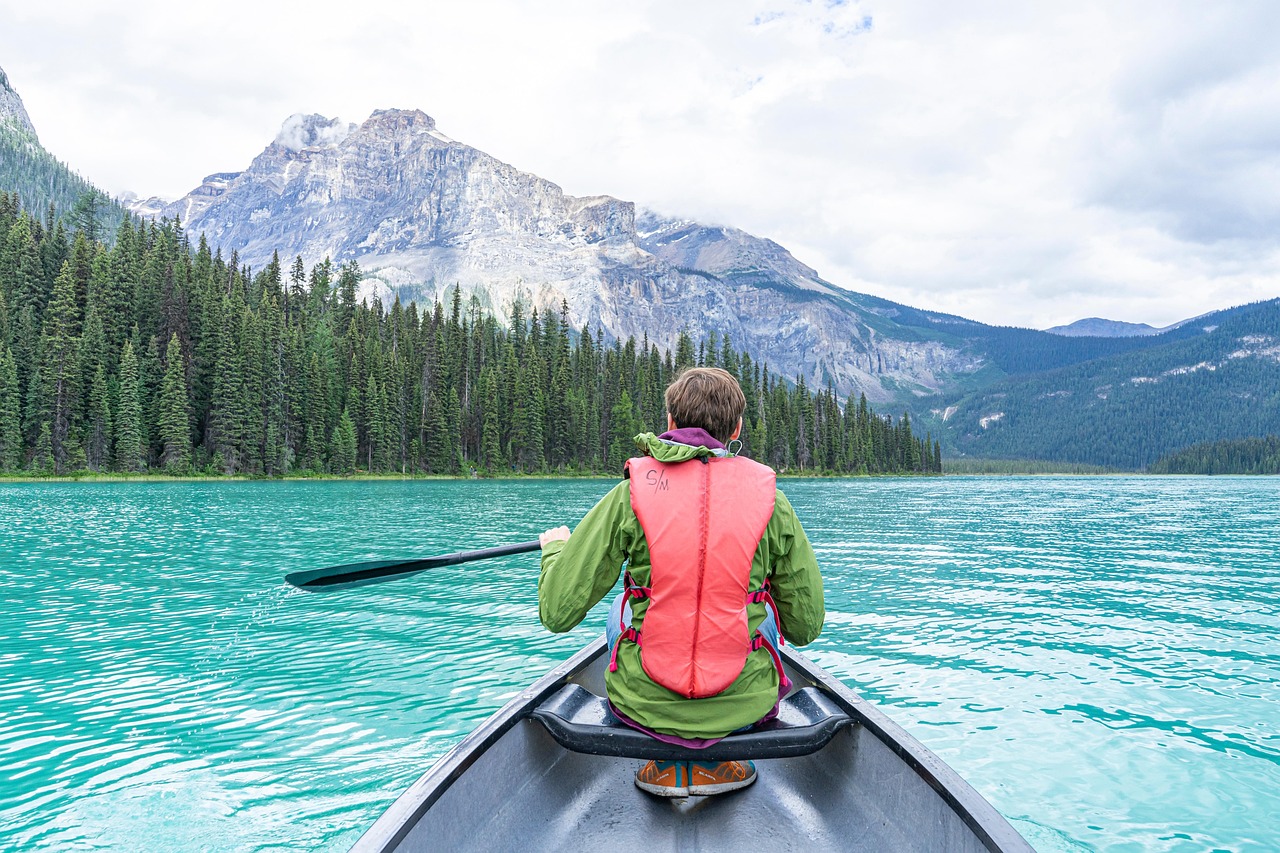
Importantly, Voyageurs is a water-based park, with most areas accessible only by boat. Public boat ramps and parking are available near visitor centers and nearby campgrounds. The park’s continental climate brings warm summers and cold winters, allowing year-round outdoor activities, from boating and fishing to skiing and snowmobiling.
Superior National Forest
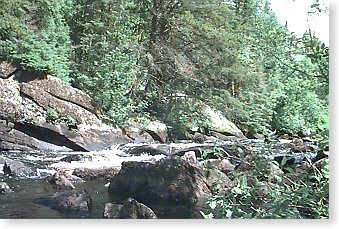
Spanning over three million acres along Minnesota’s border with Canada, Superior National Forest was established in 1909. The area includes part of the Boundary Waters Canoe Area Wilderness and contains over 445,000 acres of lakes, along with more than 2,000 miles of rivers and streams. This northern forest is home to a variety of wildlife, including moose, black bears, and one of the largest populations of gray wolves in the contiguous United States.
Visitors enjoy a wide range of seasonal activities, including canoeing, hiking, fishing, and swimming in summer; skiing, snowmobiling, and ice fishing in winter. Moreover, the land’s rugged terrain and glacial history have shaped its many lakes and rocky outcrops. Over 11,000 years, soil and vegetation have slowly reclaimed the area.
Humans have lived here for over 10,000 years. The region’s fur trade history remains evident in routes once traveled by French-Canadian voyageurs. Today, forest management focuses on balancing recreation, resource use, and long-term conservation.
Isle Royale National Park
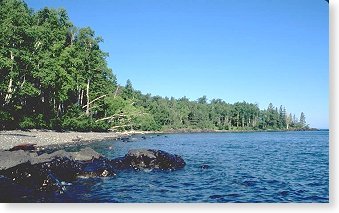
Located in Lake Superior, Isle Royale is a remote wilderness archipelago covering 850 square miles. Authorized in 1931 and established in 1940, it received wilderness designation in 1976 and became a U.S. Biosphere Reserve in 1980. The island’s landscape was formed by ancient lava flows and glaciers, creating a rugged terrain ideal for hiking, paddling, and wildlife observation.
Access is limited to boat or floatplane, and weather conditions can be unpredictable. The park remains open from mid-April through October, with transportation services varying by season. Additionally, visitors can explore historic lighthouses, shipwrecks, and copper mining sites while encountering moose, wolves, and pristine wilderness.
La Verendrye Provincial Park
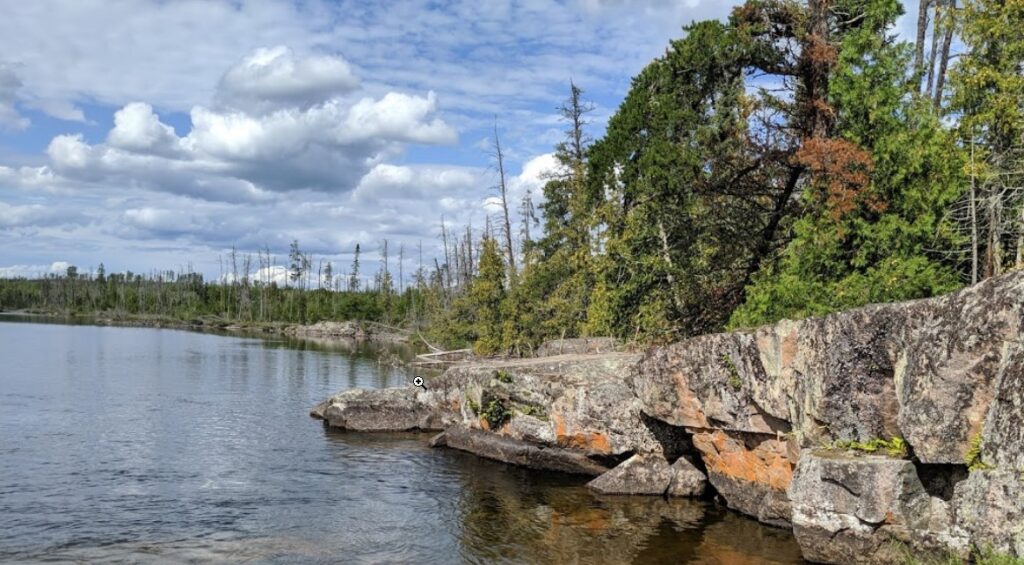
Directly north of the Boundary Waters, La Verendrye Provincial Park in Ontario preserves a scenic waterway once used by fur traders. Known for its quiet beauty, the park features steep mesas and rare plant species. While there are no developed facilities, camping and paddling are permitted. This park highlights the historic water routes that connect to the region’s larger network of canoe trails.
Grand Portage National Monument
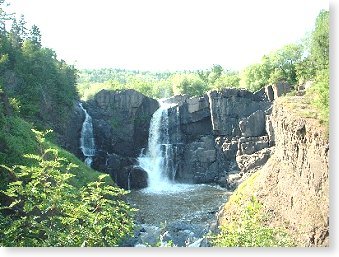
Located in northeastern Minnesota, Grand Portage National Monument preserves a key site in North American fur trade history. Designated a national monument in 1960, it includes reconstructed trade-era buildings and the historic Grand Portage trail. This 8.5-mile footpath once linked Lake Superior to inland rivers and trade routes used by voyageurs and Native peoples.
Today, the site remains culturally important to the Grand Portage Band of Lake Superior Chippewa. Visitors can explore the monument year-round. In summer, reconstructed buildings are open to the public, while in winter, the trail offers opportunities for snowshoeing and skiing.
Apostle Islands National Lakeshore
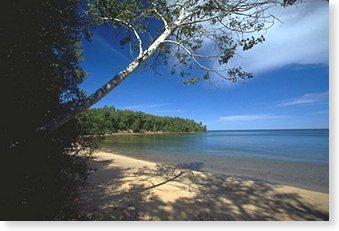
Extending into Lake Superior, the Apostle Islands National Lakeshore includes 21 islands and 12 miles of mainland shoreline. Designated in 1970, it features sea caves, historic lighthouses, and remnants of old-growth forest. The area’s natural beauty is complemented by stories of its past, former quarries, homesteads, and shipwrecks lie scattered across the landscape.
Recreation opportunities include kayaking, hiking, and wildlife viewing. Although summers bring mild temperatures, conditions on the lake can change rapidly. Therefore, visitors should prepare for sudden storms or cold water temperatures. The lakeshore remains open year-round.
Preserving a Shared Wilderness Heritage
Together, these parks and wilderness areas form a vast, interconnected landscape of forests, lakes, and waterways. They reflect both the geological forces that shaped the Northwoods and the human histories that have played out across them. While each area has its character, all contribute to a shared legacy of conservation, stewardship, and public access to the wild.