Owning land in Wisconsin comes with unique rewards and responsibilities. Whether you own a rural hunting property, a lakeside lot, or farmland, protecting your investment is crucial. Land insurance plays a vital role in safeguarding landowners from unforeseen risks and financial losses. This article explores the essentials of Wisconsin land insurance, its coverage options, and the key factors to consider when choosing a provider.
Understanding the Basics of Wisconsin Land Insurance
Land insurance in Wisconsin is designed to protect landowners from a variety of risks that can affect undeveloped or partially developed property. Unlike standard homeowners or renters insurance, land insurance focuses specifically on the risks associated with vacant land, recreational tracts, or lots that do not contain residential or commercial buildings. Coverage can include protection against liability if someone is injured on the property, as well as certain types of property damage.
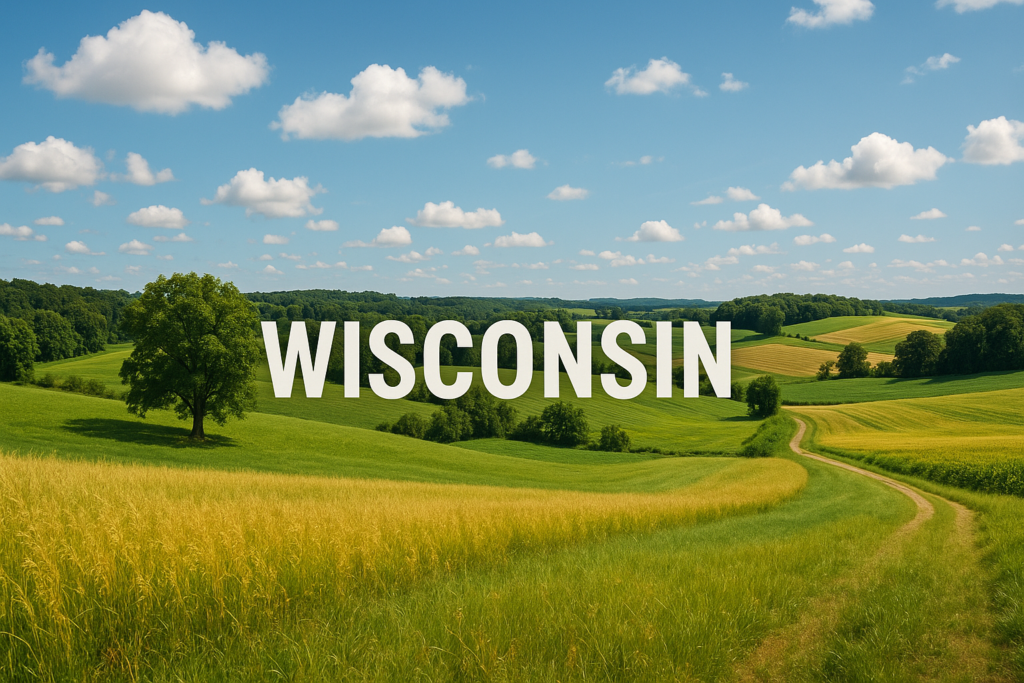
Wisconsin’s diverse landscape—ranging from forests and lakes to agricultural fields—means landowners may face a variety of hazards. These risks might involve trespassers, accidental injuries to visitors, environmental damage, or even disputes over property boundaries. Land insurance helps manage these potential liabilities, giving owners peace of mind as they use or develop their property.
While land insurance is not legally required in Wisconsin, many lenders or financial institutions may require it if you have a loan or mortgage attached to your land. Even if it’s optional, many experts recommend carrying at least basic liability coverage. The right policy can make a significant difference in protecting your assets and ensuring your land ownership experience is both enjoyable and secure.
Key Coverage Options for Wisconsin Landowners
There are several coverage options Wisconsin landowners should consider when purchasing land insurance. The most common form is liability insurance, which covers injuries or property damage that occur on your land. For example, if a hiker or hunter is injured while crossing your property, liability coverage can help with legal fees and medical costs, protecting your financial interests.
Another important coverage option is protection against property damage caused by natural disasters, vandalism, or accidental fires. Although undeveloped land may lack structures, it can still be affected by events that result in significant financial losses. Some policies may even include coverage for damage from timber theft or illegal dumping, which are risks unique to certain types of rural properties.
Additionally, landowners should look into specialized endorsements or riders tailored to their specific needs. For example, if your land includes lakes, rivers, or wetlands, you may want coverage that addresses unique water-related risks. Agricultural landowners might seek policies that protect against crop loss or livestock-related incidents. Evaluating these options with an insurance professional ensures your coverage matches your land’s unique features and risks.
How to Choose the Right Land Insurance Provider
Selecting the right land insurance provider in Wisconsin involves more than just comparing premiums. Start by researching companies with experience in rural or vacant land policies. Local agents often have specialized knowledge about regional risks, regulations, and needs, which can be invaluable when customizing your coverage.
Reputation and customer service are also vital considerations. Look for providers with strong financial ratings and positive reviews from other landowners in Wisconsin. Responsive customer support can make a big difference if you need to file a claim or adjust your policy as your land use changes over time.
Finally, compare the details of coverage offerings, exclusions, and claim processes from several insurers. Ask questions about policy limits, deductibles, and any unique clauses that might affect your situation. By carefully evaluating these factors, you can choose a provider that not only offers comprehensive protection but also supports you throughout your land ownership journey.
Conclusion
Wisconsin land insurance is a smart investment for anyone who owns property in the Badger State. With the right coverage, you can protect yourself from liability, property loss, and unexpected expenses. Ensuring your land remains a valuable asset for years to come. By understanding your options and choosing the right provider, you’ll enjoy peace of mind.